The African Designers you should already know...
What I saw on the floor of Saint Laurent Paris, and what it taught me about African designers and luxury.

Hi friend,
I'm so glad you're here.
In 2018, fresh out of my first year at business school, I was desperate for a fashion internship. A friend and I put our best outfits together. I carried a fake Céline Luggage tote bag I'd bought at a market in San Remo, Italy the summer before; and walked down Avenue Montaigne handing out CVs. I still remember the stress of walking into those stores, certain no one would call back.
They did. That's how I got my first internship at Saint Laurent Paris. On the most iconic luxury avenue in the world.
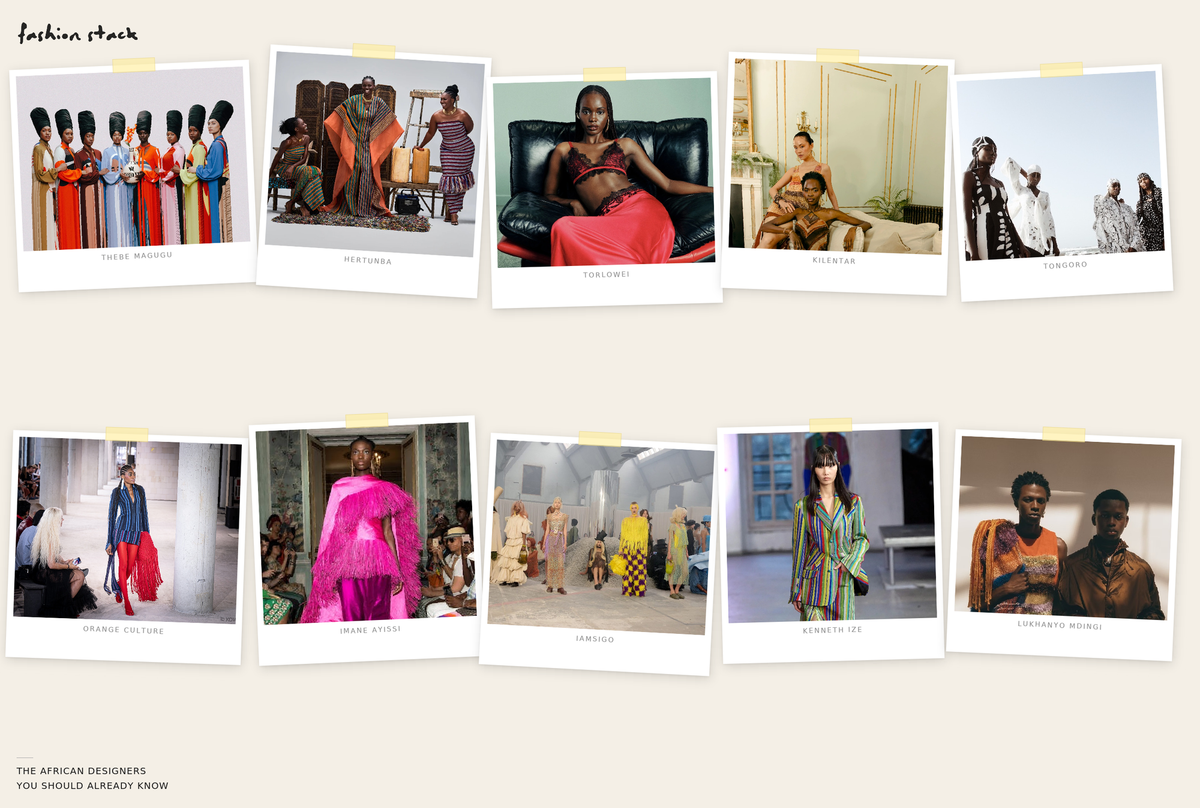
TL;DR for skimmers: Which African designers should be on your radar? Ten, non-negotiable: Thebe Magugu, Hertunba, Torlowei, Kilentar, Tongoro, Orange Culture, Imane Ayissi, IAMSIGO, Kenneth Ize, and Lukhanyo Mdingi. I first started paying attention on the floor of Saint Laurent Paris — this is the reading list that came out of it.
In my first week on the floor, I got briefed on our customer profiles. The Emirati customer: clutches, the iconic Tribute heel. The Chinese customer: RTW, the Sac de Jour. The Parisian shopper: accessories, always deliberate, always taking her time. Each profile came with preferences, behaviours, assumptions. Know them well enough and you could turn a €300 transaction into a €3,000 one.
That was the job.
But there was one customer I saw regularly who wasn't in the brief. The African woman who walked in, picked up a €3,000 bag, and bought it in two minutes flat.
She existed. She spent. She just didn't officially exist as a target customer. No profile. No tailored strategy. No acknowledgment that she was there at all.
I thought about her a lot after that. And the more I thought about her, the more I started paying attention to something else the industry was equally blind to: the fashion being made for and by people like her.
Let's talk about AFRICAN FASHION.
I spent every summer of my childhood in West Africa, in a family obsessed with fashion and The art of dressing. I've always known, that African fashion is luxury. Inherently. But it took working on Avenue Montaigne to understand exactly why and to find the words for it.
Cultural authority.
Luxury has always been about more than price but about provenance and the story telling behind the garment. The reason we reach for something French or Italian is for the weight of history behind it. The sense that this house, this craft, this aesthetic comes from somewhere real and specific.
That's exactly what African designers carry, and what European luxury houses are increasingly struggling to hold onto. In an era of conglomerate ownership, creative director carousels, and heritage being sold as a marketing concept rather than lived practice, African designers offer something rarer: an unbroken line between who they are, where they come from, and what they make. That authenticity is real and palpable. It's the thing luxury was always supposed to be built on.
Craftsmanship, symbolism, and the intelligence of the fabric.
Wax print fabric, known across West Africa, worn everywhere from daily life to ceremony, is one of the most misunderstood materials in fashion. To an outside eye it reads as pattern. Look closer and it's language. The motifs carry meaning: proverbs, social status, political commentary, love. A woman choosing her wax for a specific occasion to communicate something.
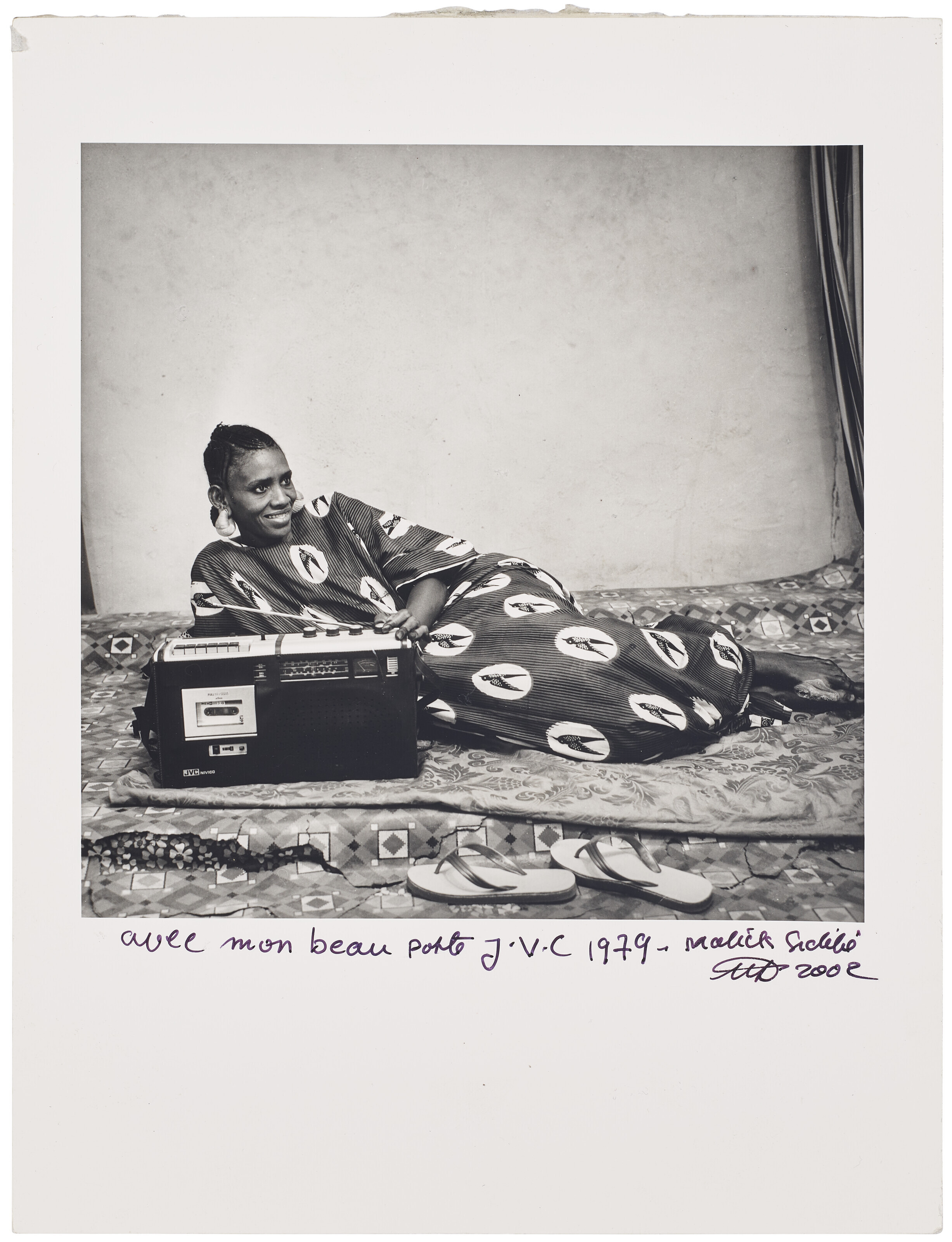
Take the fabric in the photograph above. The motif is called Sika Wo Ntaban: a bird in profile, mid-flight, within an oval. It comes from an Akan proverb: "money has wings." A reminder that prosperity is not a destination but a practice. That idleness lets wealth take flight.
How poetic?!
Rare and particular materials or techniques
Raffia, for most people, evokes the South of France but this natural fiber comes from the raffia palm native to tropical Africa (Madagascar, Tanzania, the Congo Basin) and has been used for ceremonial skirts and royal tapestries since at least the 14th century.
Then there's indigo. Across West Africa, from the Tuareg nomads of the Sahara to the Yoruba of Nigeria and the Mandinka of Mali, recognized as masters of the craft, fabric dyed in indigo signified wealth and abundance. The dye itself comes from Lonchocarpus cyanescens, a plant that grows along a belt stretching from the Senegal River down to the Cameroon border. Alongside it: yellow from the Morinda tree, red from Camwood, white from kaolin clay, black from charcoal. A full palette of colors, drawn entirely from the earth. Long before natural materials became a luxury industry talking point, this was just the practice.
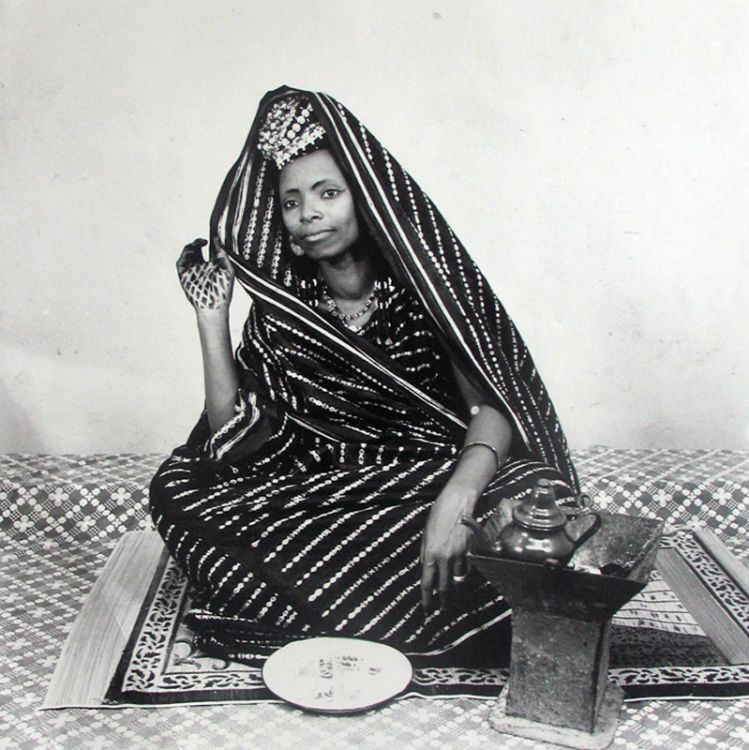
This is what I love most about African fashion: it doesn't separate style from meaning. Every garment carries history, identity, intention. Fashion tells a story in African culture, and African culture tells a story through fashion.
And now the world is catching up.
A few years ago I went to Africa Fashion at the V&A in London; the first time I saw this world I loved displayed on a genuinely global stage. It was emotional in a way I didn't expect.
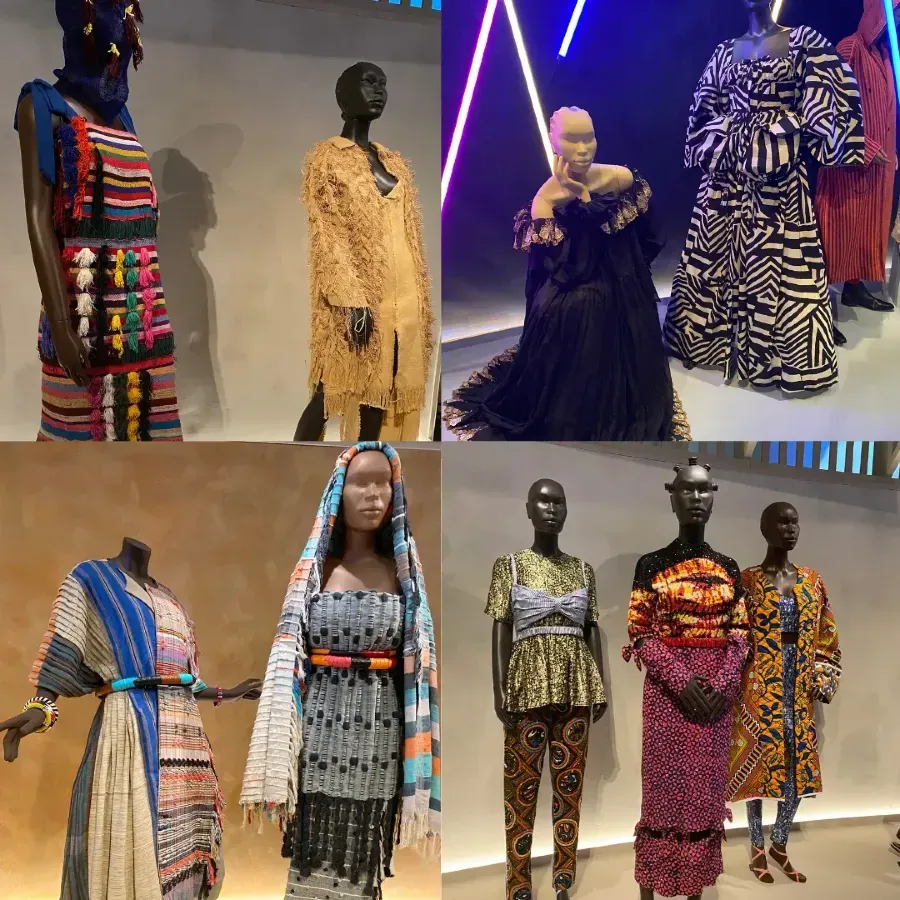
Galeries Lafayette is on its second Africa Now pop-up in Paris. London just got Tales House, its first permanent African fashion luxury destination. Orange Culture was on the Met Gala carpet. And if you've spent any time on Instagram or tiktok this year, you've already seen it, you just didn't always know the name behind the look.

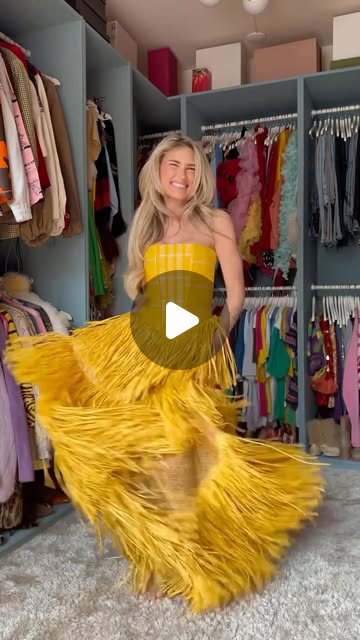
@tessavmontfoort wearing Kilentar
Icon @golloria wearing Hertunba on repeat, this summer
So here's my invitation to you.
If you're into fashion, you already aspire to own something Italian, something French. You understand that provenance matters, that craft matters, that a garment with a story is worth more than one without.
African fashion offers all of that, and then some. Buying it is how you stand out, yes. And it's also how you participate in something more honest: a fashion ecosystem that finally includes the full range of human creativity.
Some places to start:
Kilentar (Nigeria) · Alledjo (Benin)· Orange Culture (Nigeria) · IAMSIGO (Nigeria) · Kenneth Ize (Nigeria) · Thebe Magugu (South Africa) · Imane Ayissi (Cameroon) · Tongoro (Senegal) · Torlowei (Nigeria & stocked at Harrods) · Hertunba (Nigeria) · Lukhanyo Mdingi (South Africa)
— Lauren
Enjoyed this issue? Forward it to a friend who'd love it too. Word of mouth is how Fashion Stack grows — and honestly, the best compliment you could give me.